
FROM OUR BLOG
Design smarter — how interactive web tools make building WordPress themes easier than ever
Jan 26, 2026
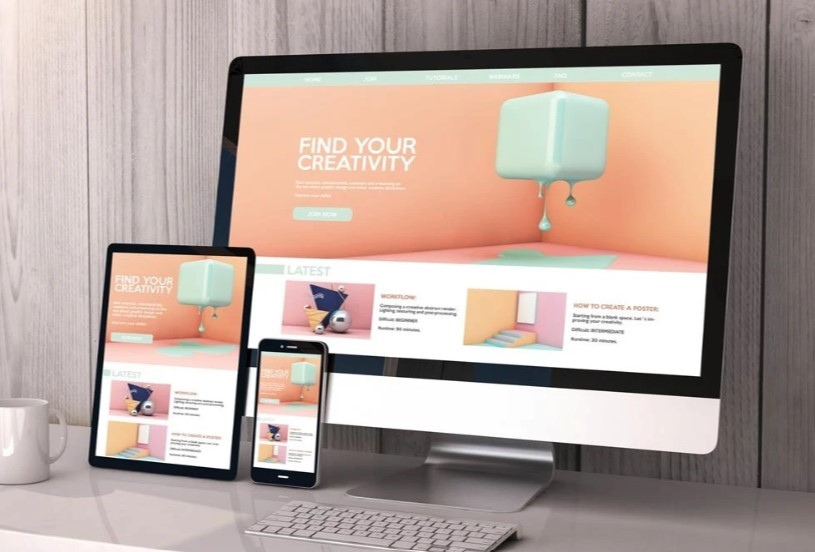
WordPress design used to feel heavy. You needed deep coding skills, long hours, and patience. Today it feels lighter. Faster. More visual. Interactive tools have changed how themes are built, tested, and improved. Instead of guessing how a page might look, creators now see results in real time. That shift matters.
According to W3Techs, WordPress powers over 43% of all websites worldwide. With numbers like that, even small improvements in theme creation have a big impact. Tools had to evolve. They did.
https://webeminence.com/custom-built-site-vs-wordpress-theme/
From code-first to click-first workflows
Not long ago, building a theme meant writing PHP files line by line. CSS tweaks. Reload. Fix. Reload again.
Now the process looks different.
Interactive tools allow:
Drag-and-drop layout editing
Live previews without refreshing
Visual spacing and typography controls
Component-based editing instead of full-page coding
A theme builder turns structures into blocks. Headers, footers, content areas. You move them. Resize them. Test them instantly. This is not about removing code. It is about choosing when code is needed.
A 2023 survey by Torque Magazine showed that over 60% of WordPress developers use visual builders alongside custom code. The mix is the new normal.
Why interactive tools reduce friction
Speed is one reason. Clarity is another.
Interactive tools reduce friction because they:
Show changes immediately
Prevent layout-breaking mistakes
Make experimentation safe
Lower the learning curve
You don't need to imagine how a web template will behave on mobile. You can switch views and see it. No more calculating element placement on the page - Free Math Solver for Chrome – AI Math Problem Solver that will handle all the calculations. No matter the complexity. This is for small teams. It's for solo creators. It's for clients who want quick changes without lengthy explanations.
Smarter UI/UX without complexity
Smart UI/UX used to mean complex rules. Now it often means better defaults.
Modern theme builders include:
Pre-set spacing systems
Color palettes with contrast checks
Typography scales that stay readable
Accessibility hints during editing
These features guide decisions quietly. They do not interrupt. They assist.
Statistics support this approach. Google research shows that users form an opinion about a website in under 0.05 seconds. That first impression depends on layout, spacing, and clarity. Interactive tools help designers get those basics right faster.
Web templates as living systems
Web templates are no longer static files. They behave more like systems.
With interactive tools, a template can:
Adapt content length automatically
Reuse design elements across pages
Update globally when one component changes
Change a button style once. It updates everywhere. This saves time and reduces errors.
Many theme builders now offer template libraries. Headers for blogs. Product pages for shops. Landing pages for campaigns. These are starting points, not final answers.
A study by HubSpot found that teams using templates publish content up to 40% faster. Speed creates room for testing and improvement.
Learning by doing, not by reading
Documentation still matters. But interactive tools teach differently.
You learn by:
Moving elements
Breaking layouts safely
Undoing changes
Comparing versions side by side
This kind of learning sticks. It also builds confidence.
Beginners benefit the most. They see how padding affects balance. How font size changes mood. How white space improves focus. No long theory needed.
That is why many educators now recommend visual theme builders for first-time WordPress users.
Collaboration becomes simpler
Design rarely happens alone.
Interactive tools support collaboration by offering:
Role-based editing access
Revisions and version history
Shared design systems
A designer adjusts layout. A writer updates text. A developer fine-tunes performance. All inside the same system.
According to a 2024 Atlassian report, teams with shared visual tools complete projects 25% faster than those working in separated environments. Fewer handoffs. Fewer misunderstandings.
Performance is still part of the story
There is a myth that visual tools slow websites down. That used to be true. It is less true now.
Modern theme builders:
Output cleaner code
Load assets only when needed
Integrate performance checks
Many tools now include speed scores during editing. Warnings appear if a layout becomes too heavy. This keeps performance part of the design process, not an afterthought.
And performance matters. Google data shows that 53% of users leave a site if it loads slower than three seconds.
Choosing the right theme builder
Not all tools are equal. Choosing well saves time later.
Look for:
Clean output code
Active updates and support
Compatibility with WordPress core
Flexibility beyond pre-made web templates
The best tools do not lock you in. They grow with your skills.
Designing smarter, not harder
Interactive tools did not remove creativity. They removed obstacles.
WordPress design is now more:
Visual
Flexible
Collaborative
Accessible
A theme builder is no longer just a helper. It is part of the creative process. Smart UI/UX choices are built in. Web templates adapt instead of restrict. Interactive tools turn ideas into working pages faster than ever.
Design smarter. Not because it is trendy. But because it works.


import StickyCTA from "https://framer.com/m/StickyCTA-oTce.js@Ywd2H0KGFiYPQhkS5HUJ"